
Oral Care
Specialised Oral Care
Personal Health & Wellness
Featured
Featured
Sonic Toothbrushes
Free Shipping for Orders over R1,000
Oral Care
Specialised Oral Care
Personal Health & Wellness
Featured
Sonic Toothbrushes
Your complete guide to understanding, managing and beating bad breath.
With expert tips, proven solutions and helpful tools to help you beat bad breath and enjoy a fresh, healthy smile every day.
Real confidence starts with fresh breath.
What is bad breath? | Do you have bad breath? | Causes of bad breath | What dental professionals recommend | Your ultimate oral care routine for fresh breath | Bad breath and your health | More tips for fresh breath confidence | Bad breath myths | FAQs: Your bad breath questions answered | When to see a dental professional
Reviewed by
Dirna Grobbelaar, Oral Hygiene Advisor
Updated on January 28, 2025
Are you concerned that your breath might sometimes smell unpleasant? You’re not alone.
Bad breath, medically known as halitosis or oral malodour, is a common issue that affects most people at some point in their lives. It can significantly impact self-confidence, especially in social and professional settings.
This comprehensive guide includes expert advice from trusted dental professionals, practical solutions and actionable steps to help you achieve and maintain fresh breath.
It’s time to say goodbye to bad breath and hello to a fresh, healthy mouth.
According to Angelique Kearney, past president of the Oral Hygienists’ Association of South Africa (OHASA), “More than half of South Africans suffer from bad breath, medically known as halitosis. It goes hand in hand with poor oral hygiene, which causes gum disease and other oral health issues. Only a very small percentage of cases of oral malodour are caused by sinus problems or metabolic diseases.”
What do South African dental professionals say is the #1 cause of bad breath? Poor oral hygiene. See the top causes of halitosis and expert insights in our latest blog: Fresh Breath Insights 2025 – SA Dentists Reveal What Works.
Inadequate oral care allows plaque and food debris to accumulate in the mouth. As these substances break down, they release foul-smelling volatile sulphur compounds, leading to bad breath.
The bacteria responsible for bad breath also thrive in a dry mouth. This is why many people experience ‘morning breath’ – saliva production naturally decreases during sleep, and the mouth becomes drier. Chronic dry mouth (xerostomia) further increases the risk of bad breath. Read our Unlocking Fresh Breath: The Dry Mouth Connection blog article for more information on this link between dry mouth and bad breath.
Concerned About Bad Breath?
Take the Bad Breath Check today for personalised advice.
Bad breath can also impact your confidence and social interactions. Discover how to manage it in our latest blog: How Bad Breath Can Affect Your Confidence
It’s not always easy to tell if you have bad breath. Some people are unaware they have a problem. Other people worry that they have halitosis even when they don’t.
Here are four simple ways to check if your breath smells bad:
According to South African dental professionals, the most common causes of bad breath include:
Want to know what SA dentists say is the leading cause of bad breath and what actually works to combat it? Read their expert insights here: Fresh Breath Insights 2025 – SA Dentists Reveal What Works.
We asked South African dentists and oral hygienists for their top recommendations to beat bad breath. Here’s what they said, ranked in order of importance:
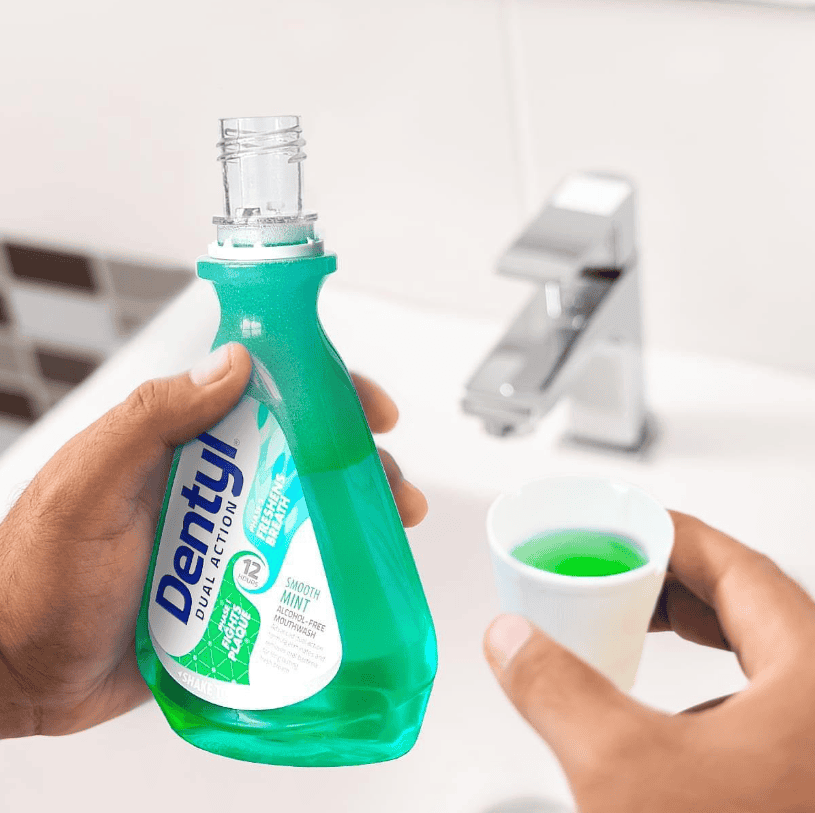
Rinse with alcohol-free mouthwash – like Dentyl or GUM.
Get the full expert breakdown and insights in our latest blog: Fresh Breath Insights 2025 – SA Dentists Reveal What Works.
Book a professional cleaning every six months, or at least once a year, to remove plaque and tartar build-up that cannot be removed at home.
Top Tip: Check Your Progress
Use GUM Red-Cote Disclosing Tablets to check any areas you might have missed while brushing and flossing.
Concerned About Bad Breath?
Take our quick, interactive Bad Breath Check to identify the cause and get personalised advice for achieving long-lasting fresh breath!
If bad breath persists, see a dentist or oral hygienist for personalised professional advice.
Bad breath is more than just a nuisance – it can impact your physical and mental health.
Physical Health
Persistent bad breath (halitosis) may signal underlying medical conditions, such as:
Addressing bad breath with the proper oral care routine is important, but consulting a dental or medical professional can help identify and treat potential health issues if they persist.
Mental Well-Being
Bad breath doesn’t just affect your physical health – it can also take a toll on your mental well-being. Many people feel self-conscious or anxious about how their breath smells, impacting their confidence in social, professional, and personal interactions.
Find out how bad breath can impact your confidence and what you can do about it in our latest blog: How Bad Breath Can Affect Your Confidence.
The good news? With expert advice and the right tools, fresh breath is achievable – and can help you feel your best in every aspect of your life.
Concerned About Bad Breath?
Take our quick, online quiz – the Bad Breath Check – to uncover potential causes of bad breath and get expert advice to improve your oral health and confidence.
Ask a professional: If you have persistent bad breath, book an appointment with your dentist or oral hygienist for professional advice. They can help you get back on track for a fresh, healthy smile!
Fasting? If you are fasting – for religious, health or other reasons – follow a meticulous daily oral hygiene routine; stay hydrated when possible and rinse regularly with an alcohol-free mouthwash.
Post-nasal drip or sinusitis? If you experience post-nasal drip or mucus build-up, you might experience smelly breath. Keeping hydrated, cleaning your tongue every day and following a meticulous oral hygiene routine will help.
Chewing or sucking mints cures bad breath.
While mints or gum can mask bad breath temporarily, they don’t address the root cause. Proper oral hygiene, cleaning your tongue, and using interdental tools are essential for long-term fresh breath.
Mouthwash is a substitute for brushing.
Mouthwash can freshen your breath and reduce bacteria, but it cannot replace brushing and flossing. These are crucial to physically remove the plaque and food particles that cause bad breath. h
Pro tip: Combine alcohol-free mouthwash with daily brushing, flossing, and tongue cleaning for optimal results.
Bad breath, or halitosis, can be caused by several factors, including poor oral hygiene, dry mouth, smoking, certain foods (like garlic or onions), gum disease, or medical conditions such as sinus infections or diabetes.
Try the wrist test—lick the back of your wrist, let the saliva dry, and smell it. Alternatively, sniff dental floss after cleaning between your teeth. Ask a trusted loved one or a dental professional for a thorough assessment.
Yes, foods like garlic, onions, and spicy dishes release sulphur compounds that can linger in your breath until your body metabolises them.
Saliva is your body’s way of washing away the bacteria that cause bad breath. If your mouth frequently feels dry or thirsty even when drinking plenty of water, you may have dry mouth, also known as xerostomia.
To maintain fresh breath and a healthy mouth, keep hydrated and rinse with an alcohol-free mouthwash. Use GUM Hydral for lasting relief. If dry mouth persists, speak to a dental or other healthcare professional and remember to take extra special care with your oral hygiene routine. Learn more in our guide to dry mouth.
Sunstar GUM has a complete range of top-quality oral care products for every step of your daily oral care routine to help you maintain fresh breath and healthy gums, including super-soft bristled toothbrushes, South Africa’s widest range of floss and interdentals, a dual-purpose tongue cleaner and alcohol-free mouthwashes.
Bad breath is often manageable with good oral hygiene, but it can sometimes signal an underlying issue. You should consult a dental professional if:
Don’t wait for bad breath to affect your confidence or health. Book an appointment with your dentist or oral hygienist for expert advice and care.
For a monthly dose of expert oral care advice, plus exclusive offers and the chance to win exciting prizes, subscribe to Ivohealth News here.
The information provided on this website is intended for general informational purposes only. It should not be construed as medical advice or used as a substitute for professional medical diagnosis or treatment. Always seek the advice of your dentist, oral hygienist or another healthcare provider regarding your oral health or other medical conditions. Reliance on information provided on this website is solely at your own risk.
No account yet?
Create an Account