Mouth Ulcers

Mouth ulcers can be a real pain, exposing sensitive nerve endings inside the mouth and making it difficult to eat, drink or talk. Our expert guide gives insight into types of mouth ulcer, causes and effective management strategies.

Whether you are seeking immediate relief from mouth ulcers or simply want to learn more, read on and say goodbye to mouth ulcer misery.

Index

Reviewed by
Dirna Grobbelaar, Oral Hygiene Advisor
Updated on January 17, 2024

What Are Mouth Ulcers?

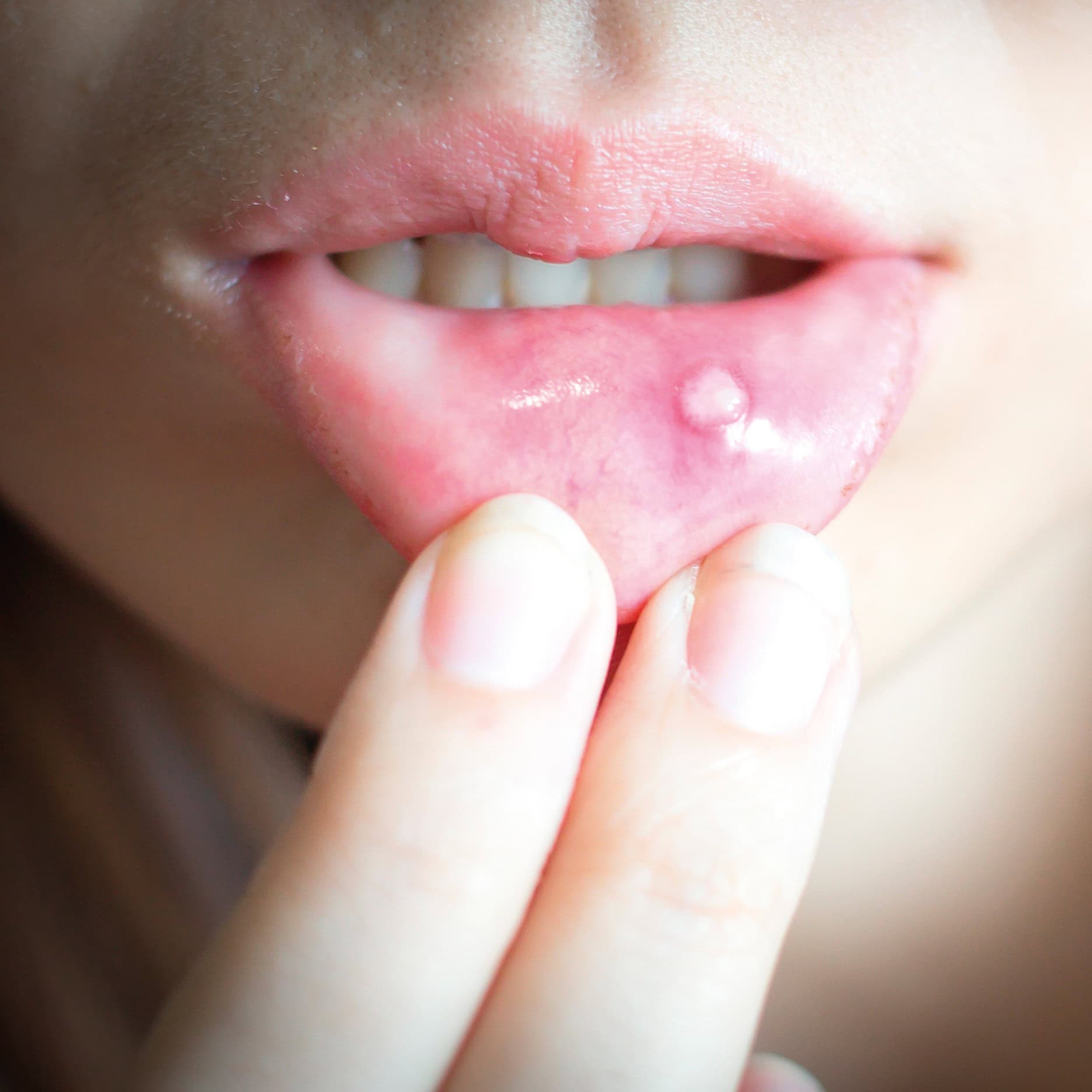
Mouth ulcers, also known as aphthae or canker sores, are usually small, shallow lesions on the lining of the mouth, which exposes sensitive nerve endings. Mouth ulcers occur inside the mouth, unlike cold sores or fever blisters which appear on the outside.

Mouth ulcers can be extremely painful, particularly when eating, drinking or talking; anybody who has ever had one understands a tiny mouth ulcer can be a big pain. Most people will experience a mouth ulcer at some point in their life either caused by a minor injury or recurring ulcers (aphthous stomatitis).

Treatment For Mouth Ulcers

Mouth ulcers are not contagious and usually clear up by themselves in a few days without treatment. Consult your doctor or dentist if your ulcer does not heal within three weeks.

The mainstay of management is relieving pain and discomfort and helping the mouth ulcer heal more quickly.

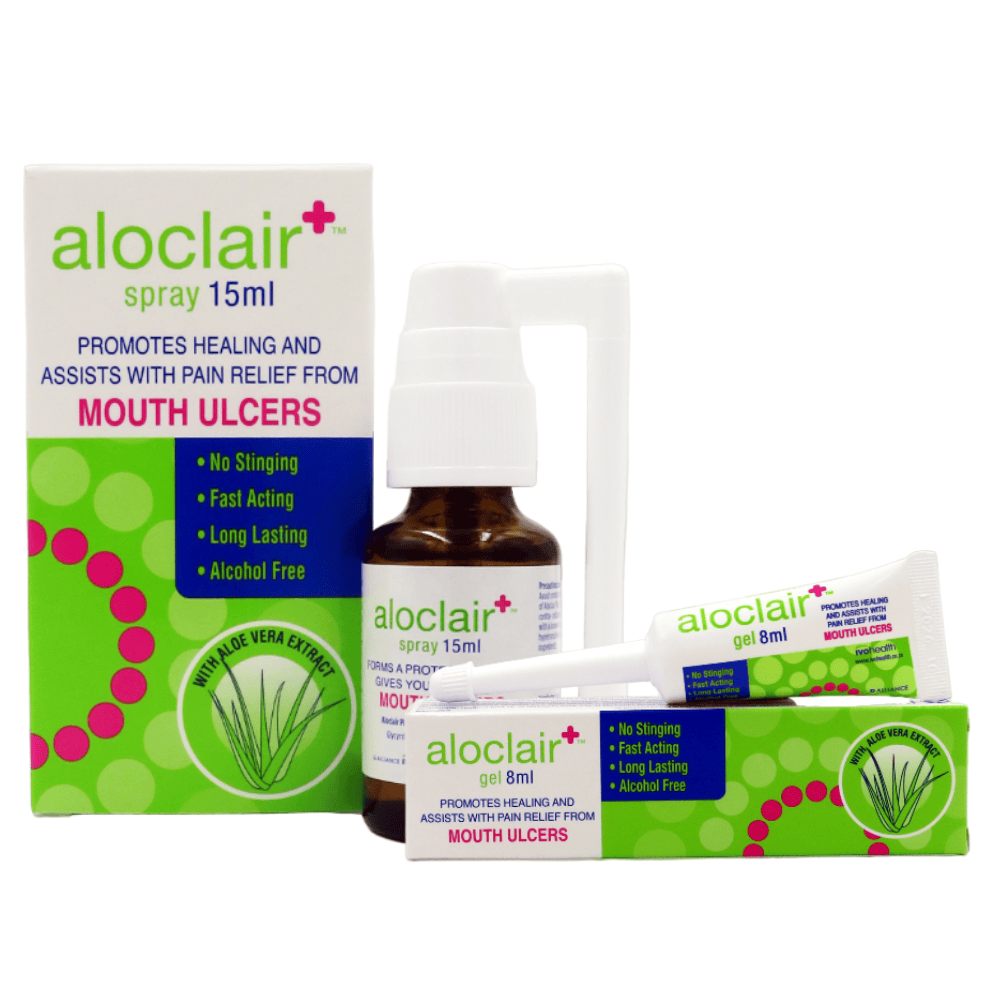
For rapid pain relief use over-the-counter medication; Aloclair, which contains soothing Aloe vera, works almost immediately, forming a protective barrier over the exposed nerve endings, giving almost immediate relief.

Avoid irritating the ulcer with acidic, spicy, salty or crunchy foods. When drinking, use a straw (ideally eco-friendly) to bypass the ulcer; be careful with very hot drinks though as you can burn the back of your throat. Avoid alcohol – and tobacco – both can dry out and irritate the lining of the mouth.

Most mouth ulcers will last 10 days to 14 days at most. Consult your doctor if it lasts much longer, or if you experience a fever or very large mouth ulcers.

3 Tips To Manage Mouth Ulcers

  1. Avoid very hot, spicy, salty or acidic foods and drinks
  2. Use Aloclair to form a protective barrier over the ulcer and speed up the healing
  3. Maintain a good oral hygiene routine using non-foaming toothpaste, a small, soft-bristled toothbrush and an alcohol-free mouth rinse

Types Of Mouth Ulcers

There are two types of mouth ulcer:

  • Once-off ulcers, usually caused by a sensitivity or minor injury.
  • Recurring mouth ulcers (aphthous stomatitis): these ulcers affect about 1 in 5 people, often first appearing during childhood or adolescence. In many cases the cause or trigger is unknown. It may be hormonal changes, stress, allergies, sensitivities, or simply when the immune system is low.

Causes Of Mouth Ulcers

Once off mouth ulcers can be caused by a sensitivity to food, drink or medication, but are usually caused by a minor injury such as:

  • accidentally biting the cheek
  • burning the mouth, for example with hot food or drinks
  • poorly-fitting dentures
  • orthodontic braces

Oddly, stopping smoking can cause short-term mouth ulcers. People with dry mouth (xerostomia) are also more likely to develop ulcers.

Some people find eating acidic fruit (like pineapples, tomatoes or oranges) can cause mouth ulcers. Others, particularly children, can develop ulcers because of common viruses like Hand, Foot and Mouth Disease, the Coxsackie virus and Herpes Simplex (Herpetic Gingivostomatitis).

Women are more likely to experience recurring ulcers which can occur during hormonal changes like puberty, pregnancy, menstruation and menopause.

Genetics seem to play a role – if your parents have had recurring mouth ulcers, then there is a 90% chance you will too.

Stress is a common trigger for mouth ulcers. They can also be a sign of conditions like coeliac disease or nutritional deficiencies (e.g. vitamin B12 which is common in vegans, zinc, iron or folic acid).

Unlike cold sores, mouth ulcers are not contagious.

Mouth Ulcers And Oral Hygiene

Maintaining a good oral care routine when you have a mouth ulcer is important; it helps to prevent a secondary infection and speed up healing. It may be uncomfortable, so use a very soft toothbrush and look for a non-foaming toothpaste like all-natural Olgani. Finish off by rinsing the mouth twice a day, with salt water or an alcohol-free mouthwash like Dentyl Dual Action or one which contains chlorhexidine and CPC.

Aloclair is available at selected independent pharmacies nationwide or from our Ivohealth online shop here.

For a monthly dose of expert oral care advice, plus exclusive offers and the chance to win exciting prizes, subscribe to Ivohealth News here.

The information provided on this website is intended for general informational purposes only. It should not be construed as medical advice or used as a substitute for professional medical diagnosis or treatment. Always seek the advice of your dentist, oral hygienist or another healthcare provider regarding your oral health or other medical conditions. Reliance on information provided on this website is solely at your own risk.